Two days of training. Real energy in the room, good conversations, people leaving with something they mean to do. Six weeks later there is little to show for it.
You know that moment. Then comes the question, from the client or from yourself: did it work?
The answer is uncomfortable. The training was probably fine. What failed is everything that came after.
Nobody measured it. They asked.
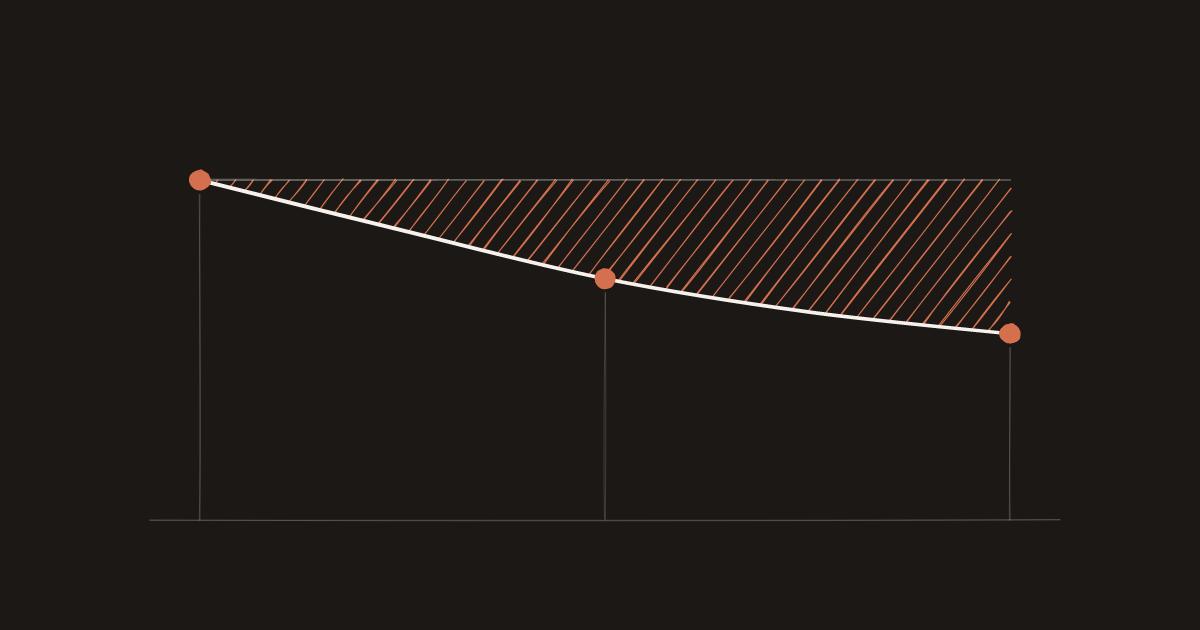
Training professionals across 150 organisations reported in 2006 that 62 percent of participants apply what they learned straight away. After six months it is 44 percent, after a year 34 percent (Saks and Belcourt, 2006).
That is the best the field has. Twenty years old, and built from estimates made in hindsight. And those estimates are what your programme gets judged on.
Transfer of training is what makes it from the room to the job. It is not a learning problem. Participants remember it perfectly well, they just do not do it.
Relapse is not weakness. It follows.
Monday morning. Same inbox, same meetings, same colleague who takes over the conversation again.
The environment that held the old behaviour in place never attended the training. It was waiting.
New behaviour needs repetition, and something that reminds you at the moments that count. Those moments are spread across the weeks that follow.
NIA That is where NIA stands. Beside your programme, not inside it. What NIA does for trainers.
Every piece of follow-through advice is sound. And costs hours.
Ask how to make it stick and you get the same list everywhere. A buddy. A conversation with the manager. A coaching session on the floor two weeks later. One more session. A development plan that resurfaces in the HR cycle.
None of it is wrong. Everyone in the field points at the same person: the direct manager.
And still it almost never happens. Look at that list and you can see why. Every item is priced in human hours, yours or somebody else’s.
What that leaves.
The difference between people who change and people who slide back is not motivation. It is repetition, and somebody who notices when you let it slide. And an environment that does not undo the new behaviour daily.
That is not another training day. It is something small that keeps coming back, where the work actually happens.
So the question is not how to build a better training. Yours was already good. The question is who is paying attention at the moments that matter.
That is what we are building NIA for. It looks along, it thinks with you, it keeps you sharp. Between the sessions as well, without extra hours from you.